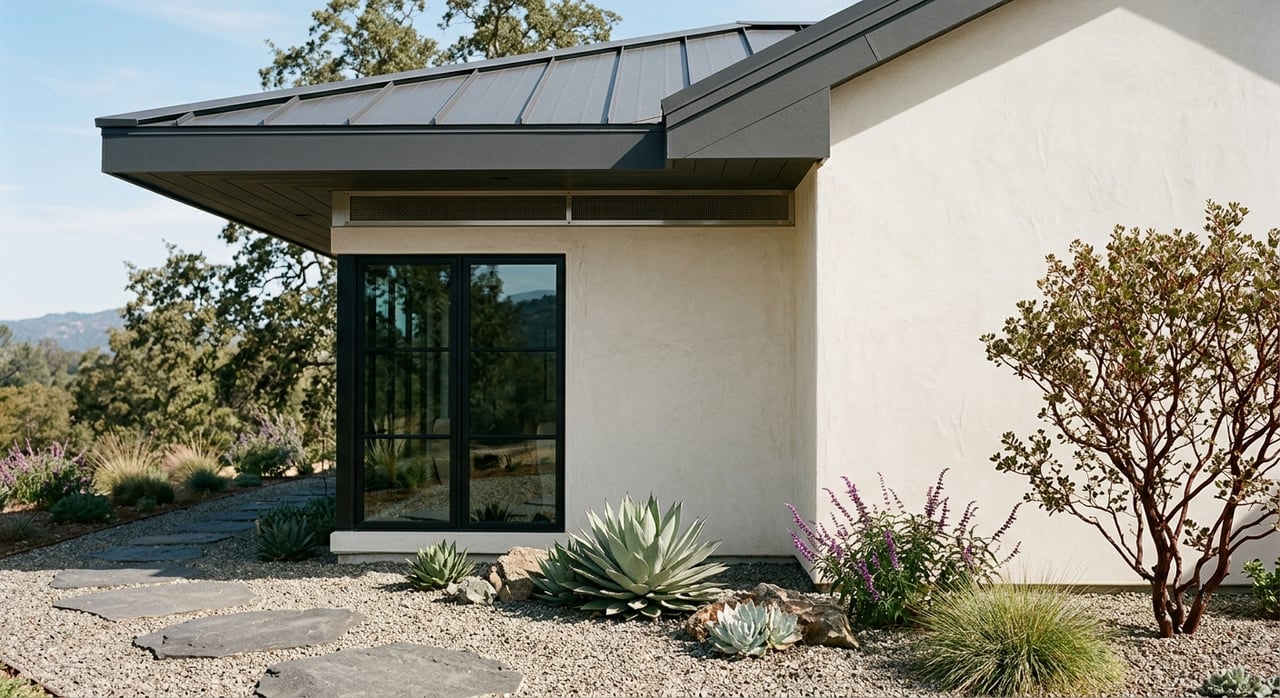
If you are thinking about buying in Bonny Doon, wildfire cannot be an afterthought. In this part of Santa Cruz County, fire risk shapes how you evaluate a home, a vacant parcel, your insurance options, and the work you may need to do after closing. The good news is that with the right due diligence, you can make a more confident decision and avoid surprises later. Let’s dive in.
Why wildfire matters in Bonny Doon
Bonny Doon sits in Santa Cruz County’s mountain and wildland-urban interface setting, where wildfire planning is a major part of property ownership. County wildfire documents identify the North Coast and Mountain regions as areas where fire hazards are generally greatest, and they specifically note very high fire hazard designations in Bonny Doon.
Recent fire history adds important context. CAL FIRE reports that the 2020 CZU Lightning Complex burned 86,509 acres across Santa Cruz and San Mateo counties, destroyed 1,490 structures, and damaged 140 others. The 2009 Lockheed Fire also directly affected the Bonny Doon area and burned 7,817 acres in Santa Cruz County.
For you as a buyer, this means wildfire is not just a safety topic. It also affects disclosures, building requirements, mitigation costs, and insurance planning over the long term.
What to check before you make an offer
Confirm the fire hazard zone
A smart first step is verifying the parcel’s current Fire Hazard Severity Zone status. CAL FIRE says these maps are based on factors like fire history, vegetation, terrain, embers, and fire weather, and they describe hazard rather than a property-specific loss prediction.
That distinction matters. A public hazard map helps you understand the setting, but it does not tell you everything about what ownership will cost or what an insurer will decide.
Review WUI building requirements
In Santa Cruz County, Wildland-Urban Interface building requirements apply to all new structures, additions, and exterior alterations on parcels in all State Responsibility Area fire hazard zones and in Local Responsibility Area parcels designated Very High. For new construction, the California Wildland-Urban Interface Code applies to permit applications submitted on or after July 1, 2008 in the covered zones.
These standards can affect many parts of a home, including:
- Roofs
- Eaves
- Gutters
- Exterior walls
- Underfloor enclosures
- Decks
- Glazing
- Doors
- Vents
- Accessory buildings
If you are buying a home with plans for future remodeling, this is especially important. Even if the current house works for you today, later exterior upgrades may trigger wildfire-related construction requirements.
Understand seller wildfire disclosures
California requires specific wildfire disclosures for certain properties. If a property is in a very high fire hazard severity zone, the seller must disclose that fact.
For homes built before January 1, 2010 in high or very high zones, the seller must also provide an additional wildfire notice. That notice may identify common issues such as unprotected vents, untreated wood roof coverings, combustible landscaping within five feet of the home, single-pane windows, loose flashing, and gutters without noncombustible covers.
These disclosures can be very useful during your investigation period. They help you spot possible upgrade items early so you can better estimate future work and cost.
Treat vacant land as a separate case
If you are buying land in Bonny Doon, do not assume a parcel can be developed or split just because it looks usable on paper. Santa Cruz County planning materials note special parcel-size rules in the North Coast and Bonny Doon planning areas, including a 20-acre minimum in some water-supply watershed areas outside the Coastal Zone.
That makes buildability a critical question. Before moving forward, confirm development assumptions with county planning rather than relying on listing language or informal expectations.
County CZU recovery materials also note that the Recovery Permit Center can help with early questions tied to fire protection access, septic and water standards, geologic hazards, and zoning considerations before full plans are prepared. For rural and acreage purchases, this kind of front-end review can save you time and money.
How wildfire affects insurance costs
Insurance is often one of the biggest practical questions for Bonny Doon buyers. A home may be in a public fire hazard zone, but the California Department of Insurance says CAL FIRE hazard maps do not determine insurance rates or availability.
Instead, insurers typically use their own wildfire risk models. That means your insurance options may depend on the specific home, the mitigation work completed, and the underwriting standards of the carrier you approach.
Know what the FAIR Plan does
If a property is difficult to insure through the standard market, the California FAIR Plan is the state’s insurer of last resort. According to the California FAIR Plan, it provides basic coverage for fire or lightning, internal explosion, and smoke.
Many buyers also need a separate Differences in Conditions, or DIC, policy to add protection for gaps such as liability, theft, and water damage. In practical terms, your total insurance picture may involve:
- A standard market homeowners policy, if available
- FAIR Plan fire coverage, if needed
- A separate DIC policy to broaden coverage
This is why it helps to get insurance quotes early, not after all contingencies are removed. The total monthly and annual cost can be a major part of your ownership budget.
Ask about mitigation and discounts
California’s Safer from Wildfires program connects certain mitigation steps with possible insurance discounts. The California Department of Insurance also says insurers may accept inspections by CAL FIRE or a local fire department as proof that mitigation work has been completed.
If a seller has already invested in hardening the home or improving defensible space, ask for documentation. That paperwork may help you understand the property’s current condition and could also be useful when you speak with insurers.
Defensible space and home hardening basics
In California, the law requires 100 feet of defensible space in state responsibility areas and very high fire hazard severity zones, with more intensive fuel reduction closer to the structure. Santa Cruz County guidance breaks that area into several zones, which can help you picture ongoing maintenance responsibilities.
Those zones are:
- Zone 0: 0 to 5 feet from the home
- Zone 1: 5 to 30 feet
- Zone 2: 30 to 100 feet
- Zone 3: Driveway and frontage area
For many buyers, the key takeaway is simple: wildfire readiness is not a one-time project. It is an ongoing part of owning and maintaining property in Bonny Doon.
Focus on ember resistance
State fire guidance emphasizes that embers cause the majority of home ignitions. The Office of the State Fire Marshal says 60 to 90 percent of home ignitions occur because of embers.
That is why home hardening often focuses on features that reduce ember entry and ignition risk. Depending on the property, that can include:
- Class A roofing
- Ember-resistant vents
- Noncombustible gutter covers
- Enclosed eaves
- Double-pane tempered windows
- Ignition-resistant deck materials
- Reduced combustible pathways from fences or attachments
- A 5-foot ember-resistant zone near the home
Even small construction details can matter. When you tour a home, look beyond finishes and floor plan and pay attention to how the structure is put together on the exterior.
Who you should talk to during escrow
Buying in Bonny Doon often calls for a wider team than a typical in-town purchase. Along with your real estate advisor, you may want to consult the county planning or building office, a local building official, a licensed contractor familiar with WUI requirements, and an insurance broker who can quote both standard-market and FAIR Plan or DIC options.
Each professional answers a different part of the puzzle. Planning and building staff can help clarify permit and development questions, contractors can flag practical upgrade needs, and insurance professionals can help you compare realistic coverage scenarios.
If a home has already been hardened, ask for records of the work and any recent CAL FIRE or local fire department inspection. Those documents can help support what was done and give you a clearer picture of how the property has been maintained.
A practical buyer checklist for Bonny Doon
If you want a simple framework, here are the main wildfire-related items to review before moving forward:
- Verify the parcel’s Fire Hazard Severity Zone
- Review seller wildfire disclosures carefully
- Ask whether the home was built before January 1, 2010
- Look for known vulnerabilities such as vents, windows, eaves, gutters, and nearby combustible materials
- Understand any WUI upgrade requirements that could apply to future projects
- Request insurance quotes early, including FAIR Plan and DIC options if needed
- Ask for documentation of mitigation work or inspections
- Confirm defensible space expectations and maintenance needs
- For vacant land, verify buildability, access, water, septic, zoning, and parcel-size constraints with the county
This kind of due diligence does more than reduce risk. It helps you compare properties more clearly and avoid underestimating the true cost of ownership.
Bonny Doon offers a distinctive mountain setting, larger parcels, and a lifestyle many buyers love. But wildfire is part of the ownership equation here, and the smartest purchases are the ones made with clear eyes and a solid plan. If you want help evaluating a Bonny Doon home or land opportunity with local context and a practical escrow strategy, The Portola Group is here to help.
FAQs
What should you verify first when buying a home in Bonny Doon?
- Start by confirming the parcel’s Fire Hazard Severity Zone, then review seller wildfire disclosures, insurance options, and any likely WUI-related upgrade requirements.
How do wildfire rules affect older homes in Bonny Doon?
- For homes built before January 1, 2010 in high or very high fire hazard zones, sellers must provide an additional wildfire notice that may identify common vulnerabilities such as vents, windows, gutters, and combustible materials near the home.
Can a CAL FIRE hazard map tell you what insurance will cost in Bonny Doon?
- No. The California Department of Insurance says CAL FIRE hazard maps do not determine insurance rates or availability, because insurers use their own wildfire risk models.
What is the California FAIR Plan for Bonny Doon buyers?
- The FAIR Plan is California’s insurer of last resort and provides basic coverage for fire or lightning, internal explosion, and smoke. Buyers may also need a separate DIC policy for broader protection.
What does defensible space mean for a Bonny Doon property owner?
- In covered areas, California law requires 100 feet of defensible space, with the most intensive fuel reduction closest to the home and additional maintenance extending outward and along the driveway and frontage.
What should you confirm before buying vacant land in Bonny Doon?
- Confirm buildability, zoning, access for fire protection, septic and water standards, parcel-size rules, and other county requirements before assuming the land can be developed or divided.