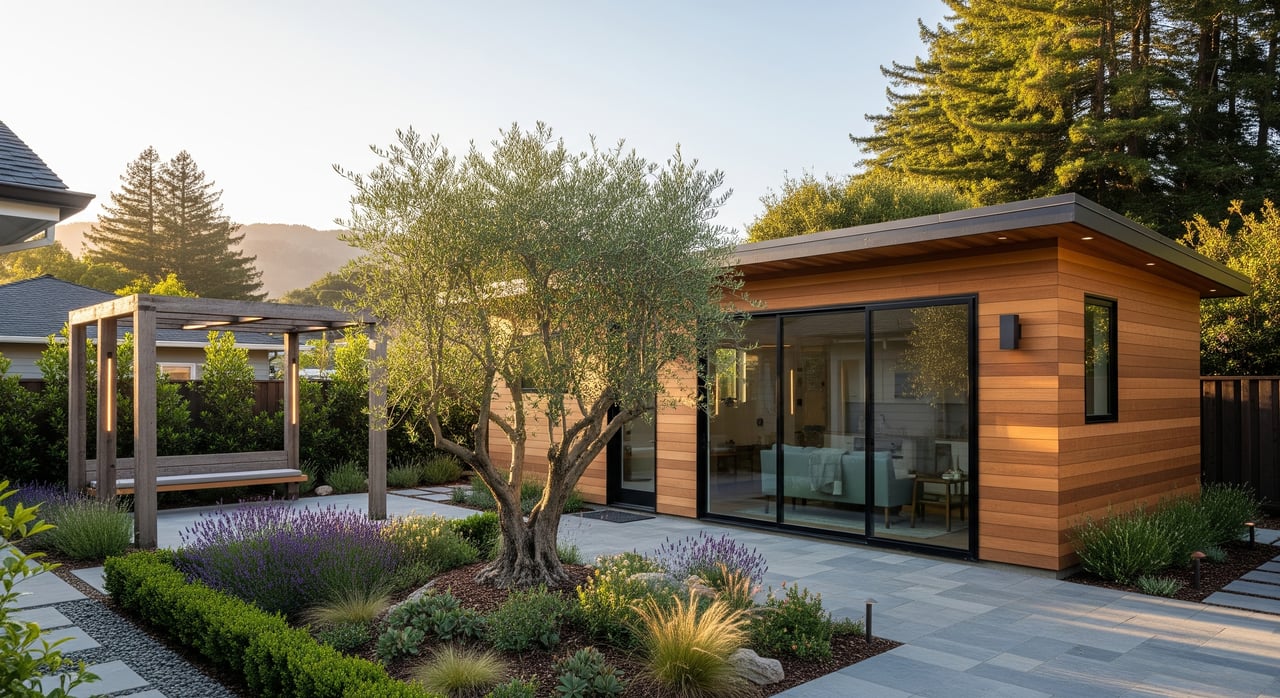
Thinking about adding an ADU or exploring an SB 9 lot split in Soquel? You’re not alone. Many Santa Cruz County homeowners want more flexibility for family, rental income, or long-term value. The rules can feel confusing, especially with Coastal Zone considerations, septic capacity, and water supply in the mix. This guide walks you through what applies in unincorporated Soquel, what to check first, and how to set realistic timelines and budgets. Let’s dive in.
ADU, JADU, and SB 9 basics
What an ADU is
An accessory dwelling unit is a self-contained housing unit on the same lot as your main home. California law requires cities and counties to approve qualifying ADUs through a ministerial review using objective standards like size, setbacks, height, and parking. In practice, that means you should be able to get a decision without a public hearing when your plans meet the rules.
What a JADU is
A junior ADU is a smaller unit within your existing single-family home, typically up to 500 square feet. JADUs share some systems with the main house and have different size and plumbing rules under state law. They often cost less and move faster because the work is interior.
What SB 9 allows
SB 9 enables ministerial approval for two key actions on eligible single-family parcels:
- A two-lot split using a parcel map
- Up to two units on a single-family lot
In some cases, SB 9 can yield up to four units on the original lot if each new lot has two units, subject to eligibility and local objective standards. SB 9 also includes protections for tenants and existing affordable housing, plus potential deed restrictions.
Where these rules apply in Soquel
Soquel is in unincorporated Santa Cruz County. That means you’ll work with the County’s Planning Department, Building Division, and Environmental Health, plus the local water or sewer district for services. State ADU and SB 9 rules apply countywide, but the County can set objective standards on things like setbacks, height, and lot coverage.
Large portions of Soquel are within the Coastal Zone. If your property is coastal, plan early for Coastal Development Permit needs and Local Coastal Program consistency. Coastal rules can affect design details and timing.
Eligibility and key standards to check first
Before you sketch plans, confirm the basics:
- Zoning and overlays. Identify your zoning designation and any overlays like slope, geologic, or wildfire hazard areas. These affect setbacks, height, reports, and materials.
- Coastal Zone. If your lot is coastal, check Coastal Development Permit triggers and Local Coastal Program standards early.
- Septic or sewer. Many Soquel homes use on-site septic. Adding bedrooms or a new unit can require a septic evaluation, an upgrade, or a sewer connection if available.
- Water service. Confirm water capacity or connection requirements with your provider, such as Soquel Creek Water District. Some areas have supply constraints.
- Historic or special conditions. Historic districts, conservation easements, or certain deed restrictions can limit what’s allowed.
- HOA/CC&Rs. HOAs cannot ban ADUs outright under state law, but design review and CC&R processes may still apply.
ADU size, parking, and utilities
ADU size and height must meet objective local standards. For parking, state law limits what counties can require, especially for ADUs near transit or when converting existing spaces like a garage. Replacement parking rules may apply if you convert a garage. Because details vary by site and zoning, check current County standards during a pre-application conversation.
Utilities are often the make-or-break factor. A detached ADU will usually need separate utility runs. If you are on septic, Environmental Health will look at bedroom counts and design flows. If you are on public sewer and water, expect capacity and connection checks with the local utility.
SB 9 duplexes and lot splits
For SB 9, the County must use a ministerial process if your parcel is eligible and your plans meet objective standards. Typical disqualifiers include historic districts or certain conservation areas. SB 9 also includes rules that protect existing housing and tenants. An owner-occupancy covenant or other deed restrictions may be required. If you’re considering an SB 9 split, build in extra time for surveys and parcel mapping, and plan to coordinate with Environmental Health and utility providers.
Step-by-step process and timeline
1) Early feasibility and pre-application
Collect your parcel number, zoning, site plan if available, septic or sewer status, and any CC&Rs or deed restrictions. Schedule a planning counter visit or pre-application meeting to verify objective standards, overlays, and submittal requirements. This step often takes 1 to 4 weeks to schedule.
2) Site analysis and design
Engage a designer or architect to create a site plan and preliminary drawings. If you are in the Coastal Zone or on a steep or geologic hazard site, plan for geotechnical and hazard studies. A septic feasibility review or water service check should happen in this phase. Expect 2 to 8-plus weeks.
3) Submit ministerial applications
- ADU: Submit your building permit application with the County’s required checklists. State law calls for ministerial review of complete ADU applications.
- SB 9: Submit for a two-lot split and/or duplex using the County’s SB 9 process. The County will check eligibility and apply objective standards.
4) County review and decision
State law sets timelines for ministerial actions. A commonly cited benchmark is a 60-day decision window for complete ADU applications, although local workloads and completeness checks can affect timing. SB 9 approvals are also ministerial but follow County procedures and any required coordination with utilities and Environmental Health.
5) Building permits and construction
After approvals, your plans go through building plan check for structural, mechanical, electrical, and energy compliance. Construction can range from 3 to 12 months depending on scope and site conditions. Interior conversions and JADUs often go faster than detached builds that need new foundations or major site work.
6) Final inspections and occupancy
The County completes inspections and final sign-off. If your approval requires an owner-occupancy covenant or other deed restriction, you will record documents as directed.
Typical timeline ranges
- Feasibility and pre-application: 2 to 6 weeks
- Design and technical reports: 4 to 12 weeks
- Ministerial review after complete submittal: weeks to a few months
- Construction: 3 to 12 months
These are planning ranges. Your timing will depend on site complexity, Coastal Zone requirements, and the completeness of your submittal.
Cost drivers to budget for
- Permit and impact fees. Plan check and building permit fees vary by valuation. Utility connection fees for water and sewer can be significant. Some state provisions reduce certain fees for small ADUs. Review the current County fee schedule.
- Construction scope. Interior conversions are usually the most cost-effective. Detached ADUs with full foundations, utility trenching, and complex site work cost more.
- Technical studies and design. Surveys, septic evaluations, geotechnical reports, and architectural/engineering services add to preconstruction costs.
Because costs vary widely by site and design, use preliminary contractor bids once you have a schematic plan and utility guidance.
Coastal and environmental watchouts
If your property is in the Coastal Zone, you may need a Coastal Development Permit or demonstrate consistency with the Local Coastal Program. That can influence setbacks, height, materials, and site work, and can extend timelines. Santa Cruz County also has areas with wildfire hazards, steep slopes, landslide risks, and geologic overlays. These conditions can trigger additional reports and building requirements.
On the environmental side, many ADU and SB 9 actions are ministerial and often exempt from broader environmental review, but site-specific resources like wetlands or archaeological areas can change the path. If you suspect environmental sensitivities, raise them early in a pre-application meeting.
Simple feasibility checklist
Use this list to organize your first steps:
- APN, legal description, and any existing site plan or survey
- Zoning and General Plan designations
- Existing building footprint and bedroom counts
- Septic permit records or sewer connection status
- Water service provider and meter capacity
- Any deed restrictions, CC&Rs, easements, or conservation protections
- Whether your parcel is in the Coastal Zone or a hazard overlay
Bringing these items to a planning counter or pre-application meeting speeds up answers and reduces rework.
Parking, tenants, and other common questions
- Parking. State ADU law limits parking requirements, especially near transit or for conversions of existing space. Replacement parking rules may apply if you convert a garage. Check current County standards for your zoning and street context.
- Tenant protections. SB 9 includes rules that protect existing affordable housing and tenants. Demolition or alterations that would displace protected tenants are restricted.
- HOAs. HOAs cannot prohibit ADUs outright, but design review and CC&Rs still apply. Get clarity from your HOA before you finalize plans.
- Financing and insurance. New units can affect valuation, mortgage covenants, and insurance. Speak with your lender and insurer before you start construction.
When to bring in pros
Consider getting expert help early if any of the following apply:
- Your property is in the Coastal Zone or a mapped high fire or geologic hazard area
- You use a septic system or your water service may be capacity-limited
- You are considering an SB 9 lot split and need to understand surveys, deed restrictions, and mapping steps
- You have CC&Rs, easements, or potential historic constraints
Local planning, design, and engineering professionals can confirm eligibility, assemble submittals, coordinate with Environmental Health and water or sewer providers, and prepare required reports. As neighborhood-rooted advisors, we can help you think through market impacts, connect you with experienced local consultants, and plan your next move.
Next steps for Soquel homeowners
Start simple: confirm zoning, utilities, and whether you are in the Coastal Zone. Then map your path based on your goal. If you want a faster, lower-cost option, a JADU or interior conversion might be the right first step. If long-term flexibility is the goal, a detached ADU or an SB 9 plan could maximize value with the right site and services.
If you want a local perspective on demand, value drivers, and how an ADU or SB 9 project might shape your future sale, reach out to us. We live and work here, and we can connect you to the right team for design, permitting, and construction while we help you plan the big picture.
Ready to explore your options in Soquel? Connect with The Portola Group to start a clear, local-first plan.
FAQs
What permits do I need for an ADU in unincorporated Soquel?
- You will apply through Santa Cruz County for ministerial ADU approval and building permits, with Environmental Health and water or sewer sign-offs as needed, and Coastal requirements if you are in the Coastal Zone.
How long does an ADU approval typically take in Santa Cruz County?
- State law sets ministerial timelines for complete applications, commonly cited as 60 days for ADU decisions, though County workloads and completeness reviews can add time.
How do septic systems affect ADUs in Soquel?
- Septic systems are sized for specific bedroom counts and flows, so adding bedrooms or a new unit may require a septic upgrade or a connection to sewer if available.
Can I split my lot or build a duplex under SB 9 in Soquel?
- If your parcel is eligible and you meet objective standards, SB 9 allows a ministerial two-lot split and up to two units on a single-family lot, with tenant protections and potential deed restrictions.
Do Coastal Zone rules apply to ADUs and SB 9 projects near Soquel Village?
- Many Soquel parcels are in the Coastal Zone, which can require a Coastal Development Permit or Local Coastal Program compliance that affects design and timing.
Do I need to provide parking for an ADU near transit?
- State ADU law limits parking requirements for ADUs near transit and for conversions of existing space, but you should confirm current County standards and any replacement parking rules.