Selling rural property in Corralitos is rarely as simple as putting acreage on the market and waiting for offers. Buyers usually want to know not just how much land you have, but how the property functions, what it is legally allowed to do, and whether key systems like access, water, and septic are ready for transfer. If you are planning to sell in the next 6 to 18 months, getting organized early can help you avoid delays, support your asking price, and present your ranch, farm, or acreage with more confidence. Let’s dive in.
Start with the parcel file
Before you think about photos, signage, or marketing copy, build a clean property file. In rural Santa Cruz County, buyers and their inspectors often review permit history, land use records, and operational documents closely, so having those materials ready can make the sale process smoother.
Santa Cruz County Planning maintains building and planning records for unincorporated properties dating back to 1956, and the county’s free parcel research tools can show permit history from 1985 forward. Environmental Health also keeps septic and well-related land use records, which can be especially important for Corralitos acreage and farm properties.
One detail many owners miss is that parcel numbers can change over time. The county notes that older permits may be filed under a previous APN after a land division or lot line adjustment, so it is smart to search beyond the current assessor parcel number when you are gathering records.
A strong seller file often includes:
- Parcel report and permit history
- Recorded surveys and site plans
- Permit finals for structures or improvements
- Well and septic records
- Notes on easements
- Road maintenance agreements, if applicable
Verify access early
Access can affect value just as much as acreage. In rural areas, the existence of a driveway or road does not always answer the legal question of whether access is properly documented or maintained.
Santa Cruz County states that it does not guarantee the usability of private easements and rights-of-way, and responsibility for those rights rests with the titleholders. According to the county’s code compliance information, public easements and rights-of-way are maintained by Public Works, but private access issues are often a separate matter.
The county also explains in its general planning materials that private access roads, driveways, turnarounds, and bridges are the owner’s responsibility, and access for a new dwelling or other human-occupancy structure must be in recorded deeded form or recognized by court order. If your property relies on a private lane, shared drive, or older road agreement, it is worth confirming the paperwork before you list.
If there has been work in the county right of way, that can matter too. Santa Cruz County Public Works requires encroachment permits for work such as driveways, utility trenching, and related improvements. Gathering those records upfront can help answer buyer questions before they become escrow problems.
Check water and septic timelines
Water and septic are major diligence items for Corralitos rural sales. Santa Cruz County specifically warns that rural properties may not have municipal sewer or water service, and that replacing a failed septic system or water source can be very expensive, potentially reaching $100,000 in some cases, according to the county’s Rural Real Estate Sales guidance.
That is why timing matters. For properties served by an onsite wastewater treatment system, county rules require a septic inspection report and seller-buyer disclosure for transfer. The county also states that the pumping report must be within 12 months of escrow and include a leach-field flow test using at least 250 gallons.
If the septic system fails, repairs generally must be completed by the seller before closing unless the buyer agrees in writing to take on that responsibility. In that case, the county says the repair work must be completed within 90 days of closing.
Water testing is also becoming more important in the transfer process. Santa Cruz County says that beginning September 1, 2025, properties served by an Individual Water System must be tested for yield and water quality at transfer, and the seller must complete the disclosure form for the buyer and the county. The county recommends starting that testing as soon as the property goes on the market because results can take several weeks.
For most sellers, the practical move is simple: treat well, water, and septic documentation as part of the listing package, not a last-minute escrow task.
Confirm zoning and allowed uses
With Corralitos farms and acreage, buyers often ask some version of the same question: “What can I actually do here?” That answer depends on zoning, overlays, setbacks, and sometimes contract restrictions, so it is important not to overstate possible uses.
Santa Cruz County has several rural and agricultural zoning categories, and the zone district summary shows that permitted uses vary substantially. For example, CA, A, and RA zoning each allow different combinations of agriculture, farm buildings, dwellings, greenhouses, wineries, private stables, and other uses.
County agricultural policy also notes that the CA district is intended to preserve commercial agricultural land, while the A district supports a range of farm operations and rural character. The county further explains that single-family dwellings on CA or A land are only conditionally permitted when they are ancillary to agriculture and do not conflict with agricultural viability.
Another issue to review is the agricultural buffer. Santa Cruz County uses a 200-foot agricultural buffer to reduce conflicts related to dust, odor, noise, spraying, and animal rearing. The county says some projects within that buffer may require review, including certain dwellings, ADUs, patios, decks, pools, and other intensive-use areas.
Williamson Act status can also affect how a buyer views the property. The county’s Williamson Act program guidance explains that contract parcels are more restricted than similarly zoned land not under contract, and that they often receive reduced land value assessment.
Before marketing future use potential, it is wise to verify zoning and overlays through the county’s zoning information and clearance process. Clear, accurate information builds trust and helps you avoid claims that may not hold up under buyer review.
Present the property as an asset
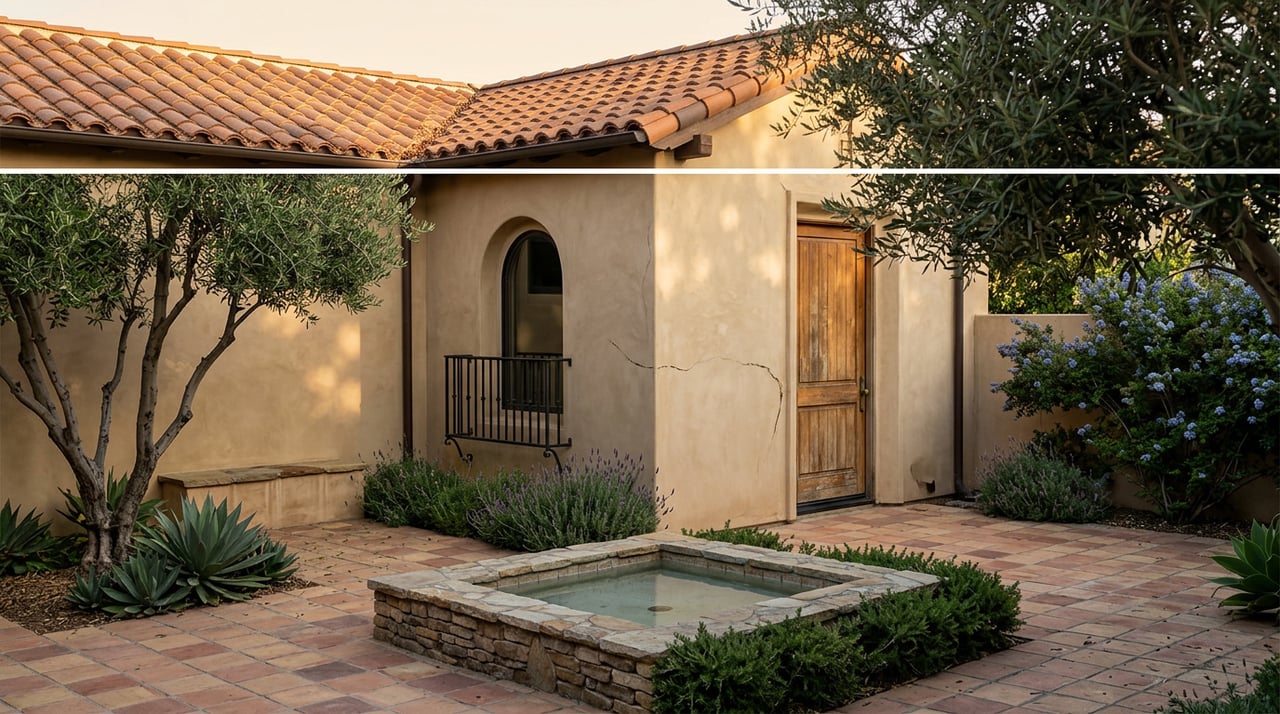
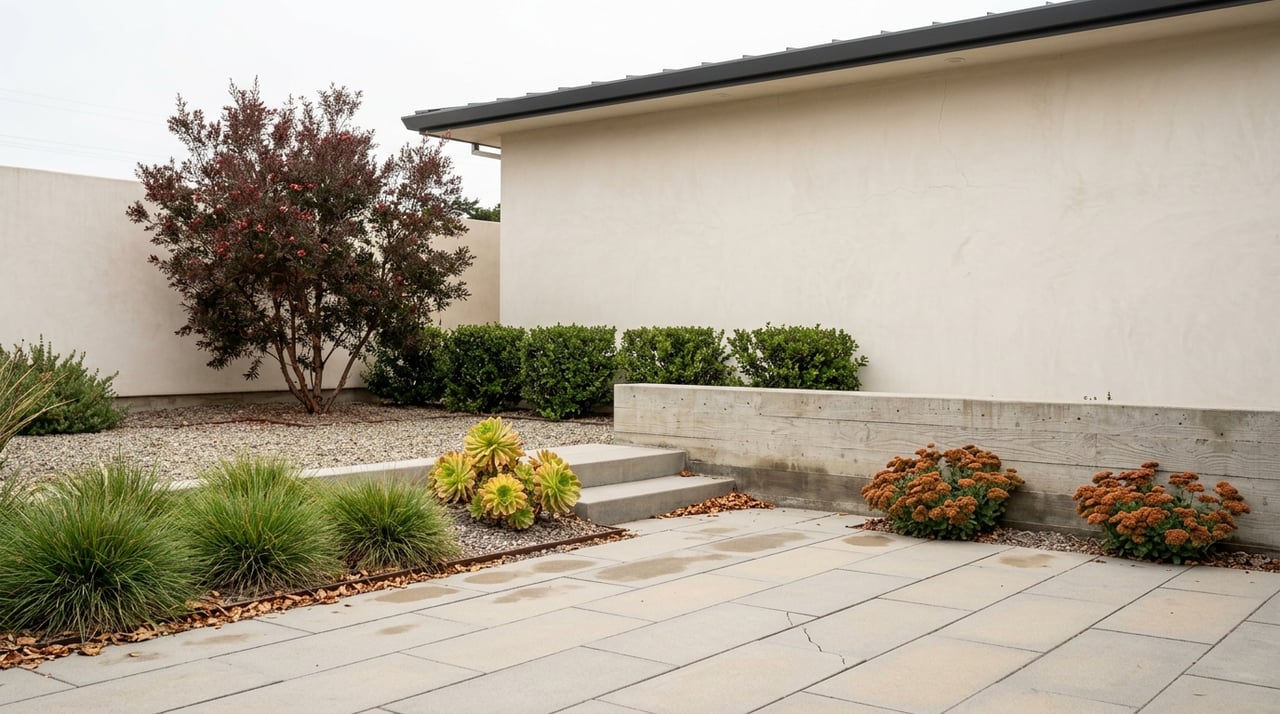
Once the legal and functional pieces are in order, presentation matters. Buyers still respond to the visual story of a property, and that is true whether you are selling a farmhouse on acreage, an operating orchard parcel, or a ranch with barns and open ground.
The National Association of Realtors reports that home staging can increase perceived value and reduce time on market. NAR also reports that online visibility matters heavily to buyers, with listing photos rated as one of the most useful features during online search.
For rural property, that usually means more than tidying the house. It can include clearing clutter from barns and sheds, organizing fencing and gates, addressing visible safety issues, and making sure roads, turnarounds, water points, and outbuildings photograph clearly.
Good marketing should help a buyer understand how the property works. Wide land shots may be helpful, but so are images that show access, pasture condition, usable improvements, equipment areas, and the relationship between structures and the land itself.
Organize production and operating records
If your Corralitos property has been used for agricultural purposes, your records can add real value to the sale. Buyers evaluating farms and ranches often look beyond acreage totals and ask for information that helps them understand productivity, operating patterns, and current use.
The USDA notes that farmland value varies with agricultural land use, and crop evaluation often comes down to expected costs, yields, revenue, and net returns. In practical terms, that means a buyer may want to review production history, acreage in use, irrigation notes, lease terms, and income or expense summaries where available.
You do not need to create a glossy investment package if one does not exist already, but you should aim to organize what you have. Even a simple, well-labeled file can help buyers understand the property as something more than raw land.
Useful materials may include:
- Crop or production history
- Acreage currently in production
- Irrigation notes or system details
- Lease agreements, if any
- Income and expense summaries
- Maps showing fields, structures, or access routes
Resolve issues before buyers find them
In rural sales, unresolved issues often come to light during diligence. Santa Cruz County Code Compliance handles concerns involving blocked easements, septic issues, unpermitted work, and neglected property conditions, so problems that seem minor during ownership can become major negotiation points once a buyer begins reviewing the file.
That does not mean every issue needs a major renovation. It does mean that obvious defects, missing records, and unanswered questions are usually better handled before the property hits the market. The more complete and transparent your package is, the easier it can be for a buyer to move forward with confidence.
For many Corralitos sellers, the best strategy is to prepare on two tracks at once. First, confirm the property’s legal and operational readiness. Second, present the land, improvements, and records in a way that makes the value clear.
A smart Corralitos sale starts early
Selling acreage, ranches, and farms in Corralitos takes more preparation than a typical residential listing, but that extra work can pay off. When you verify access, organize permits, review water and septic requirements, clarify zoning, and present the property as a working asset, you give buyers a clearer path to yes.
If you are thinking about selling and want a practical plan for timing, property prep, and marketing, The Portola Group can help you map out the next steps with a local, hands-on approach.
FAQs
What should you prepare before selling acreage in Corralitos?
- You should start with parcel research, permit history, well and septic records, surveys, site plans, easement information, and any road maintenance agreements tied to the property.
Why is septic documentation important for Corralitos rural property sales?
- Santa Cruz County requires septic inspection and disclosure for many rural transfers, and a failed system can delay closing or require repair responsibilities to be addressed in writing.
How do zoning rules affect a Corralitos farm or ranch sale?
- Zoning affects what uses are allowed on the parcel, and agricultural buffers, overlays, or Williamson Act status may further limit or shape future use.
Should you test well water before listing a Corralitos rural property?
- Yes, early testing is a smart move because county guidance says yield and water quality testing can take several weeks, and transfer rules are becoming more structured for Individual Water Systems.
What records help market a Corralitos farm as an operating asset?
- Production history, acreage in use, irrigation notes, lease terms, and income or expense summaries can help buyers evaluate the property beyond simple land size.
How can you make a Corralitos acreage listing more appealing online?
- Clear photos, organized outbuildings, visible access points, tidy fencing and gates, and a strong presentation of how the land functions can help buyers better understand the property online.