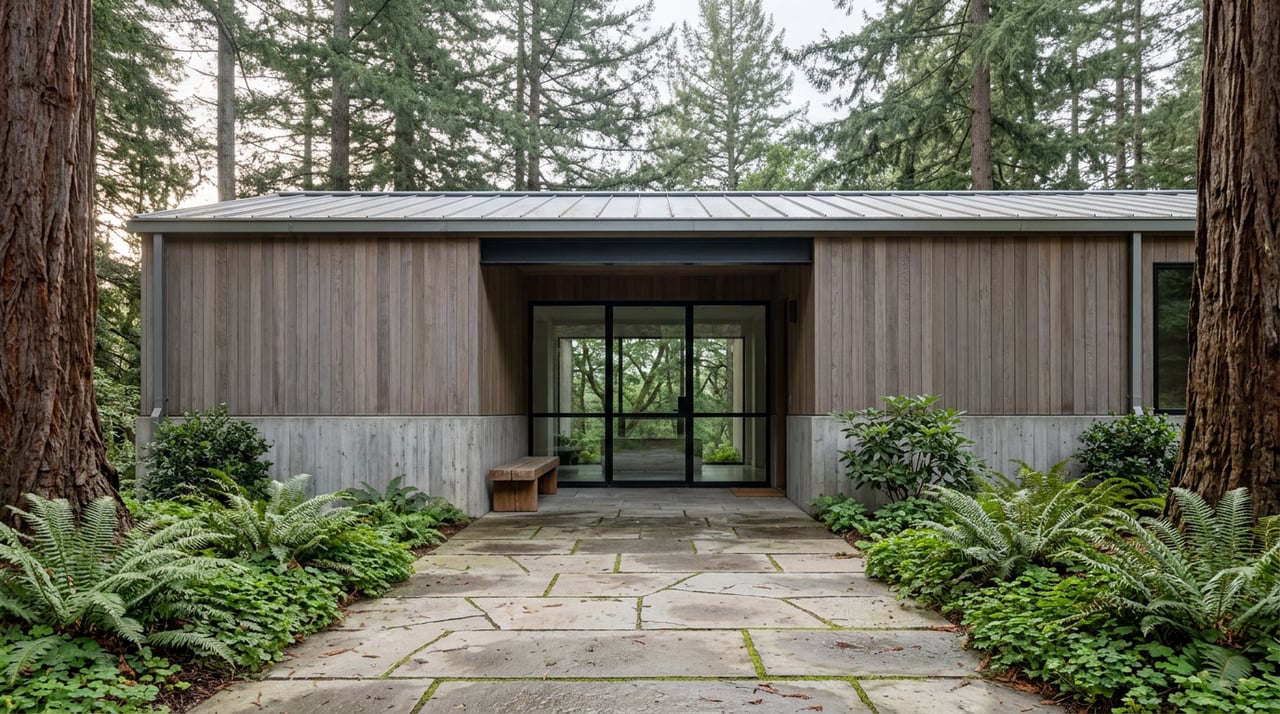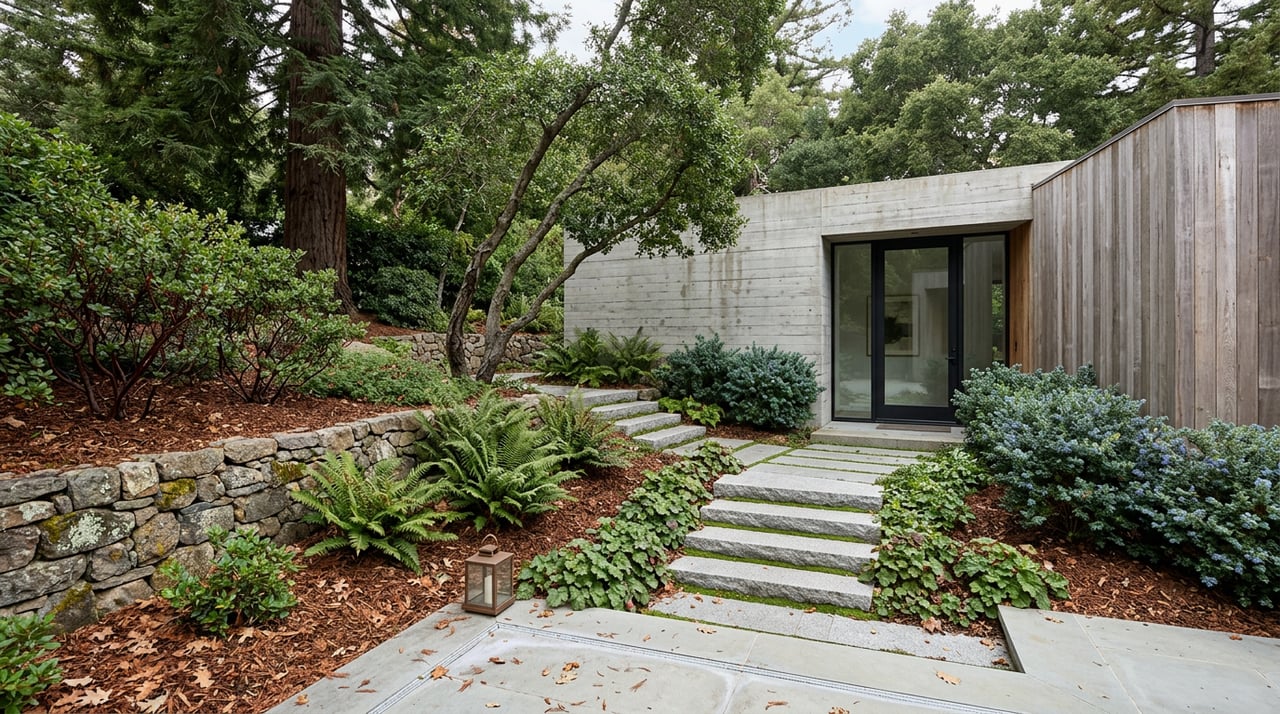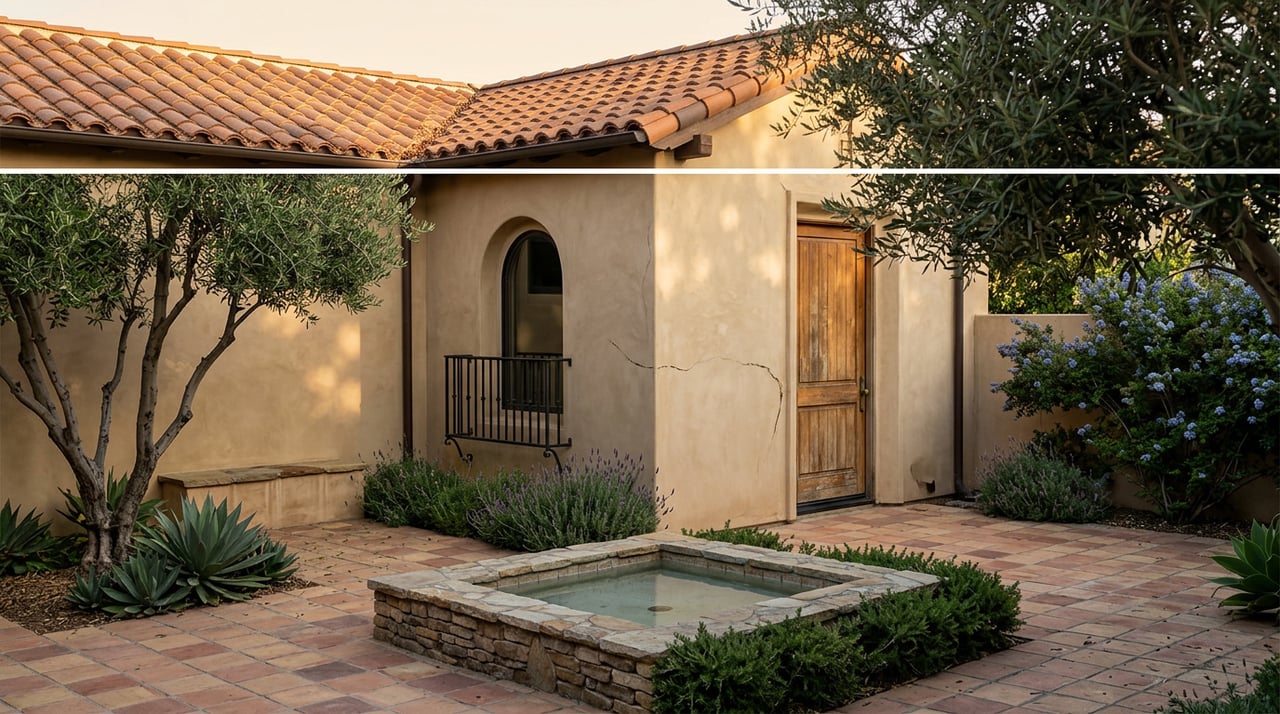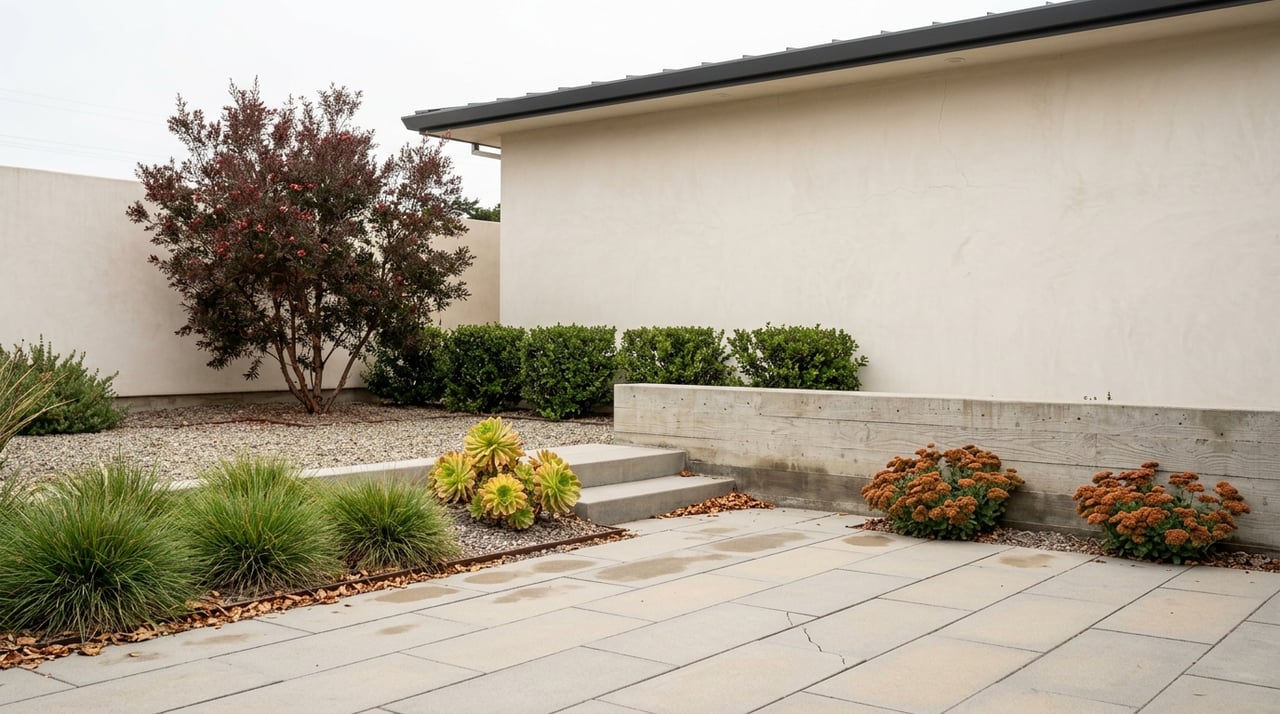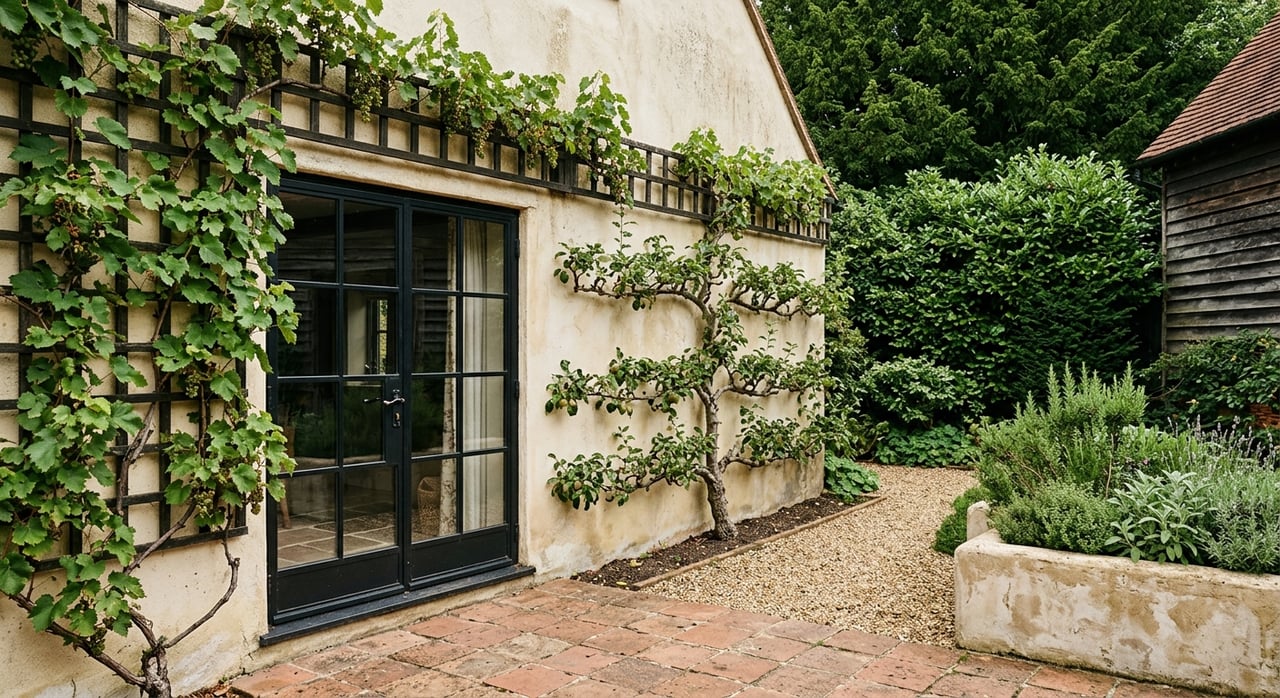
If your ideal day includes picking up just-harvested produce, driving past orchards and vines, and coming home to a little more land and a little more quiet, Corralitos deserves a closer look. This part of Santa Cruz County offers a lifestyle that feels grounded in the land, not staged for it. Whether you are dreaming about a garden property, a small homestead, or simply a home near local food and open space, this guide will help you understand what farm-to-table living in Corralitos really looks like. Let’s dive in.
Why Corralitos Feels Different
Corralitos is part of Santa Cruz County’s unincorporated Aptos Hills, Freedom, and Corralitos area, which the county describes as hilly, rural, and shaped by scattered homes, narrow winding roads, and patchwork microclimates. That setting gives the area a distinctly working-landscape feel. You are not stepping into a typical suburban pattern here.
The area also carries deep agricultural history. Santa Cruz County links Corralitos to Rancho los Corralitos, a former 15,440-acre Mexican land grant whose footprint also included present-day Pleasant Valley and Freedom. That history still shows up today in the way land, homes, farms, and open areas overlap.
For many buyers, that is the draw. Corralitos feels connected to food production, rural roads, and wide-open scenery in a way that is increasingly rare along the Central Coast.
Farm-To-Table Is Part of Daily Life
In Corralitos, farm-to-table living is not just a slogan. It is part of the everyday rhythm of the area. Local food is close to home, and the broader county agricultural economy remains active and substantial.
Santa Cruz County’s 2024 crop report estimated gross agricultural production at $741.9 million. Berries made up 60 percent of total production value, with strawberries alone valued at $218.9 million. The report also noted apples at $13.3 million and more than 160 registered organic operations countywide.
That matters if you are thinking about lifestyle, not just location. Corralitos sits within a county where farming is still a real economic force, which helps support farm stands, produce markets, and a strong local food culture.
Corralitos Farm & Garden Market
One of the clearest examples is the Corralitos Farm & Garden Market at the Corralitos Cultural Center. It runs year-round on Sundays from 11 a.m. to 3 p.m. and brings together local growers with seasonal produce and baked goods.
The market lists fruit like apples, avocados, citrus, pears, stone fruit, and berries, along with a broad mix of vegetables. For residents, that means your weekly routine can include direct access to fresh, seasonal food without needing to turn it into a special occasion.
Corralitos Market & Sausage Co.
Another everyday staple is Corralitos Market & Sausage Co. Its official site highlights hand-made sausages and in-house marinated meat products, and Visit Santa Cruz County describes it as a local favorite with an in-house butcher and deli sandwiches.
Together, the market and the sausage shop help define the local food identity. Fresh produce, butchered meats, and prepared foods all feel closely tied to the surrounding landscape.
The Landscape Shapes the Lifestyle
A drive through Corralitos often means passing apple orchards, grape vines, olive groves, redwood forests, bamboo gardens, breweries, and local markets. That mix says a lot about how the area lives. It is not only rural in appearance. It is rural in function, with land still playing an active role in daily life.
If you are moving from a more built-out part of Santa Cruz County, this difference can feel refreshing. Your errands, outings, and weekends may center more around local producers, scenic drives, and outdoor space.
That is part of what makes Corralitos appealing to buyers who want a lifestyle shift, not just a new address. The setting encourages a slower, more connected pattern of living.
Wine Country Energy, Corralitos Style
Corralitos also has a well-established wine trail culture that adds to its farm-to-table appeal. The Corralitos Wine Trail includes six wineries clustered within six miles of one another at the southern end of the Santa Cruz Mountains AVA.
According to the trail, many of the vines were planted on land that once grew apples, strawberries, or other delicate fruit. The area’s warm days, cool nights, and marine influence are especially well suited to pinot noir and chardonnay.
The current wineries on the trail are Alfaro Family Winery, El Vaquero Winery, Lester Estate Wines, Nicholson Vineyards, Storrs Winery, and Windy Oaks Estate. This gives residents easy access to tasting rooms and vineyard settings that feel woven into the local agricultural story rather than separated from it.
Why Agritourism Fits Here
Santa Cruz County planning policy helps explain why wineries, farm visits, and similar outings feel natural in Corralitos. The county’s General Plan states that commercial agricultural lands are meant to be preserved for long-term agricultural use while also allowing on-site product marketing and compatible agritourism events on CA-zoned land.
In simple terms, the area supports a blend of working agriculture and low-key visitor experiences. That helps preserve the connection between land, food, and local business that many buyers find so appealing.
What Homes in Corralitos Often Look Like
If you are home shopping here, the property mix will usually feel more rural and varied than in a typical residential neighborhood. County zoning and land-use policy point toward an inventory shaped by agriculture, open space, and larger parcels.
Santa Cruz County’s zoning summary says CA land allows commercial agriculture, farm buildings, livestock raising, greenhouses, farmworker camps, and one single-family dwelling. RA land allows one single-family dwelling, one second dwelling unit, small-scale agriculture, greenhouses, wineries, and private stables and paddocks.
The county’s General Plan also notes that non-commercial agricultural lands allow one single-family dwelling on 2.5 to 40 net developable acres. Taken together, these rules support the idea that Corralitos naturally includes:
- Small homesteads
- Garden properties
- Vineyard parcels
- Horse properties
- Larger ranch-style holdings
That does not mean every property functions the same way. It does mean buyers should expect a market shaped by land use, access, and utility of the site, not just square footage and finishes.
What To Know Before Buying Rural Property
The lifestyle can be rewarding, but it also comes with practical details that matter. If you are considering Corralitos or the surrounding hills, it helps to look beyond the home itself and evaluate how the property works day to day.
Check Zoning and Allowed Uses
If you want space for gardening, animals, vines, or other agricultural uses, zoning is one of the first things to review. The county makes clear that allowed uses can vary based on zone district and parcel characteristics.
That means two properties with similar acreage may not offer the same options. A careful review of zoning and land-use rules can help you match your goals to the right parcel.
Understand Animal Rules
For buyers interested in a homestead setup, animal rules are a practical reality check. Santa Cruz County code says chickens and other fowl in the unincorporated county must stay on the owner’s property, be kept in a suitable coop with an enclosed runway, and be maintained in a clean, predator-proof condition.
County planning guidance also says the kind and number of animals you can keep depends on zoning and parcel size. If animals are part of your plan, this should be part of your property search from day one.
Evaluate Access and Fire Preparedness
Corralitos living also comes with road and safety considerations. Santa Cruz County notes that roads in the area can be narrow and winding, and some parcels may have only one ingress and egress route.
The county also advises residents to think about equine and livestock evacuation planning. Even if you are not buying a large agricultural parcel, access, turnaround space, and emergency planning are important parts of rural property ownership here.
Why Buyers Are Drawn To Corralitos
Many buyers are looking for more than extra land. They want a home that supports a different pace of life and a stronger connection to place. Corralitos offers that through its mix of agriculture, local food, scenic roads, and rural property types.
You may be drawn to the idea of shopping the Sunday market, visiting local tasting rooms, planting a garden, or simply enjoying a setting where the landscape still feels productive and open. In Corralitos, those ideas can feel realistic rather than aspirational.
For sellers, that lifestyle story also matters. Properties in this area often appeal to buyers who are specifically searching for usable land, agricultural character, or a home base near Santa Cruz County’s rural food culture.
How The Right Guidance Helps
Rural and agricultural-leaning properties often require a more tailored approach than standard residential homes. Buyers may need help understanding parcel use, zoning context, access realities, and what makes one piece of land more functional than another.
Sellers benefit from clear property storytelling that highlights not only the home, but also the land, setting, and lifestyle potential. That is especially important in a place like Corralitos, where the value of a property often extends beyond the front door.
If you are thinking about buying or selling in Corralitos or the surrounding hills, working with a team that understands Santa Cruz County’s neighborhood patterns, land-based properties, and local buyer motivations can make the process much smoother.
If you are exploring a move to Corralitos or preparing to sell a rural property in the area, The Portola Group can help you navigate the details with local insight and hands-on guidance.
FAQs
What does farm-to-table living in Corralitos actually mean?
- In Corralitos, farm-to-table living means being close to active agriculture, year-round access to local produce at the Corralitos Farm & Garden Market, and everyday food institutions like Corralitos Market & Sausage Co.
What kinds of properties are common in Corralitos?
- Corralitos often includes small homesteads, garden properties, vineyard parcels, horse properties, and larger ranch-style holdings shaped by rural zoning and agricultural land use.
What should buyers know about animals on Corralitos properties?
- Santa Cruz County says the kind and number of animals allowed depends on zoning and parcel size, and chickens and other fowl must be kept on the owner’s property in a suitable, clean, predator-proof coop setup.
What makes Corralitos different from other Santa Cruz County areas?
- Corralitos stands out for its unincorporated rural setting, active agricultural economy, winding country roads, microclimates, and close connection to orchards, vineyards, markets, and open land.
What should buyers consider about access in the Corralitos hills?
- Buyers should pay attention to narrow winding roads, possible single-route access to some parcels, and the importance of emergency and livestock evacuation planning in this rural area.