Wondering how to make your Watsonville bungalow feel irresistible without stripping away the character that makes it special? If you are getting ready to sell, that balance matters more than ever. With the right prep plan, you can highlight charm, reduce buyer hesitation, and create a stronger first impression both online and in person. Let’s dive in.
Why bungalow prep matters in Watsonville
Watsonville gives buyers a different value proposition than many other parts of Santa Cruz County. In SCCAR’s April 2026 snapshot, Watsonville single-family homes had a median sale price of $790,000, average days on market of 24, and sellers received 101% of list price on average, with 4.4 months of inventory.
That tells you two important things. First, buyers are active here. Second, presentation can help your home compete for the stronger end of the market rather than blending into the pack.
Older homes also make up a meaningful part of Watsonville’s housing stock. The city’s 2023-2031 Housing Element notes that about 45% of Watsonville housing is 30 years old or older, which means buyers are often paying close attention to maintenance, systems, and overall condition.
Lead with Watsonville character
A bungalow should not try to look like a generic new build. Watsonville’s residential design guidance reflects local preferences for trees, landscaping, front porches, wide sidewalks, and homes that contribute to traditional neighborhood character.
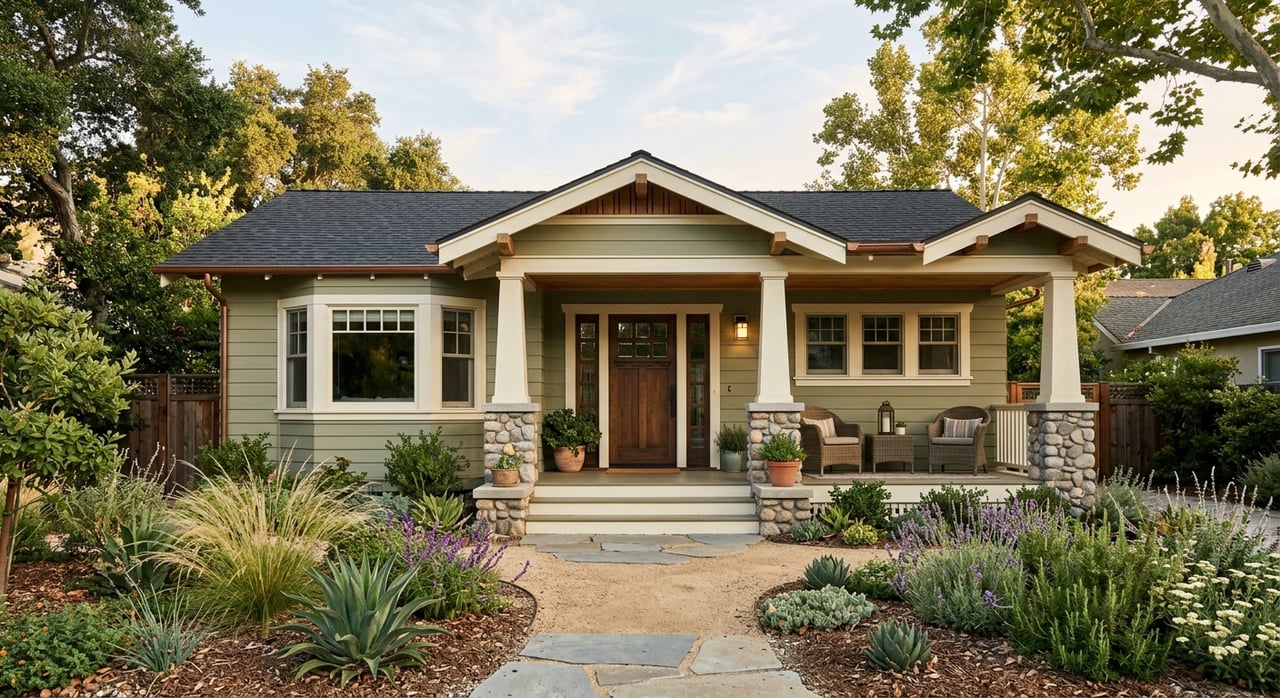
That is good news if your home already has features buyers cannot easily find in newer construction. Mature landscaping, a welcoming porch, usable front and back yard space, and architectural variety can all become part of the story your home tells.
The goal is not to over-style the house. It is to help it feel well-kept, visually coherent, and true to its setting.
Keep the scale and style intact
Watsonville’s design criteria emphasize that homes in traditional neighborhoods should feel similar in scale, orientation, and design to surrounding structures. For sellers, that is a practical reminder to avoid updates that fight the home’s proportions or make it feel disconnected from the block.
Simple, respectful improvements usually go further than dramatic cosmetic changes. If you update finishes, hardware, paint, or lighting, choose options that support the bungalow’s existing lines rather than trying to force a completely different style.
Start with maintenance first
If you have a limited budget, visible maintenance should come before decorative upgrades. Watsonville’s property-maintenance guidance states that deteriorated or peeling exterior surfaces should be repaired, repainted, or resurfaced, and bare exterior surfaces should be replaced or sealed.
For an older bungalow, that means peeling paint, worn trim, weathered siding, or neglected exterior details are not minor issues. They are often some of the first things buyers notice when they pull up, and they can shape how buyers view the rest of the home.
Focus on the exterior shell
A sensible first step is to repair and refresh the outer shell of the home. That can include:
- Repairing peeling or deteriorated exterior surfaces
- Repainting weathered trim or siding
- Sealing or replacing bare exterior materials where needed
- Cleaning up areas that make the home look under-maintained
These changes help the home read as cared for, which matters in a market where buyers are comparing many properties quickly.
Refresh entry details next
Once the shell is in better shape, move to the features buyers see up close. Your front door area, porch, lighting, and visible hardware can make a compact bungalow feel polished and inviting.
Because Watsonville residents have expressed a preference for porches, landscaping, and traditional neighborhood presentation, the entry should feel warm and intentional. Clean lines and a well-composed entrance often do more than expensive upgrades hidden elsewhere in the house.
Put curb appeal to work
For a Watsonville bungalow, curb appeal is not just marketing fluff. It is one of the clearest ways to connect your home to what buyers often value in established neighborhoods here.
Landscaping, trees, and outdoor presentation matter because they support the house’s sense of place. A tidy yard, maintained hardscape, and defined walkway can help your property feel settled and cared for before a buyer even steps inside.
Prioritize these outdoor improvements
If you are deciding where to spend time and money, start with the most visible items:
- Trim overgrowth and clean up planting beds
- Refresh mulch or ground cover where needed
- Sweep and wash paths, porches, and hardscape
- Make sure the front yard feels open, tidy, and easy to understand
- Highlight the porch as a usable feature rather than an afterthought
Against newer homes, this kind of presentation helps your property lean into the qualities new construction often cannot replicate, such as mature trees, yard character, and established neighborhood feel.
Check permits early
Not every prep project needs a permit, but assumptions can create delays. Watsonville says interior and exterior painting generally does not require a building permit, and residential window replacement usually does not require one unless the opening size changes.
At the same time, the city notes that other planning, encroachment, or special permits may still apply depending on the project. The city also requires a fence permit for all fences.
What to verify before work begins
If you are planning improvements in the 6-12 months before listing, check early on any project that changes the exterior in a visible way. That can include:
- New or modified fencing
- Window changes beyond like-for-like replacement
- Exterior alterations beyond basic paint
- Projects that may affect the street, sidewalk, or setback area
A quick early check can help you avoid timing issues later, especially if you want the home market-ready by a certain season.
Stage the rooms buyers notice most
Once the home’s exterior and visible maintenance are addressed, staging can do more to clarify the home’s appeal. For a bungalow, that is especially important because buyers often care about layout, function, and room flow as much as square footage.
The most important spaces to prepare are the living room, primary bedroom, and kitchen. These rooms tend to shape a buyer’s emotional reaction and their sense of whether the home feels move-in ready.
Keep interior styling simple
You do not need to overfill the home with decor. In smaller homes, less is often more.
Focus on:
- Clear walking paths
- Balanced furniture scale
- Clean surfaces
- Good natural light
- A layout that makes each room’s purpose obvious
The aim is to make the home feel bright, useful, and easy to understand.
Treat media as part of prep
Your listing media should not be the last box you check. It should be part of the prep strategy from the beginning.
According to NAR’s 2025 research, 81% of buyers rated listing photos as the most useful feature during an online search. Zillow’s 2025 consumer report ranked floor plans first at 33%, followed by high-resolution photos at 26% and 3D or virtual tours at 20%.
For a Watsonville bungalow, that matters because compact homes need clarity. Buyers want to understand how the rooms connect, how the home lives day to day, and how indoor and outdoor spaces relate to each other.
What your listing package should include
A strong launch should include:
- High-resolution photography
- A clear floor plan
- A short, accurate video walkthrough
- Exterior photos that show yard and porch features
- Interior photos that explain light, scale, and flow
This fits well with The Portola Group’s approach to premium listing production, including professional photography and dedicated property videos.
Prep for the photo shoot
Before photos are taken, make the home feel bright, open, and consistent with what buyers will experience in person. Practical steps include:
- Depersonalize rooms
- Open blinds
- Turn on lights
- Remove visual clutter
- Photograph key living spaces and outdoor areas
Accuracy matters too. Buyers who like what they see online expect the in-person showing to match that impression.
Use virtual staging carefully
If virtual staging is part of the plan, it should be clearly disclosed. Transparency builds trust and helps buyers understand what is real versus digitally enhanced.
That is especially important for smaller homes, where buyers rely heavily on photos to judge space and usability.
Compete with condition, not over-improvement
When your bungalow is up against other older homes, condition and presentation are often the deciding factors. A house that looks maintained, bright, and thoughtfully prepared can feel charming and move-in ready rather than simply dated.
That does not mean you need a major remodel. In Watsonville, expensive updates that do not fit the home’s scale may add less value than a maintenance-first approach paired with strong presentation.
A practical prep order
If you want a straightforward plan, follow this sequence:
- Repair and paint the exterior shell
- Improve landscaping and hardscape
- Refresh the front entry, lighting, and visible hardware
- Stage the key interior rooms
- Launch with professional photos, a floor plan, and video
This order helps you address what buyers and inspectors notice first while preserving the home’s original personality.
The best Watsonville bungalow strategy
The safest and often smartest strategy is simple: preserve character, fix what is visible, and market the home with clarity. In Watsonville, a bungalow stands out when it feels authentic to the neighborhood, well maintained, and easy to understand online.
That means your prep plan should do three things at once. It should reduce buyer concerns, highlight the features that make older homes appealing, and present the home in a polished, honest way across every showing and every piece of media.
If you are preparing a Watsonville bungalow for sale and want help with staging oversight, contractor coordination, pricing strategy, and high-quality listing production, The Portola Group can help you build a plan that fits the home and the market.
FAQs
What should sellers fix first when preparing a Watsonville bungalow?
- Start with visible exterior maintenance such as peeling paint, deteriorated surfaces, weathered trim, and neglected siding before moving on to cosmetic updates.
What makes a Watsonville bungalow stand out to buyers?
- Homes tend to stand out when they combine strong condition with character, especially through curb appeal, mature landscaping, porch presence, and a layout that feels clear and functional.
Do Watsonville home improvement projects need permits before listing?
- Some do, so it is smart to check early; painting generally does not require a building permit, window replacement usually does not unless the opening size changes, and all fences require a permit in Watsonville.
What rooms matter most when staging a Watsonville bungalow for sale?
- The living room, primary bedroom, and kitchen are key spaces to prepare because they strongly influence how buyers judge comfort, function, and move-in readiness.
What listing media matters most for a Watsonville bungalow?
- A strong package should include high-resolution photos, a clear floor plan, and a short video walkthrough so buyers can understand room flow, light, and the relationship between indoor and outdoor spaces.